

South Indian filter coffee is more than a beverage. It is a tradition, a ritual, and a daily habit for millions across southern India. Today, however, coffee lovers around the world are discovering what South Indians have always known — that filter coffee is in a class of its own.
What Is South Indian Filter Coffee?
South Indian filter coffee is a strong, milky coffee made by slowly dripping hot water through finely ground, roasted coffee powder in a traditional metal filter. The result is a concentrated brew called decoction, which is mixed with hot milk and sugar. Unlike instant coffee, it is made fresh each time and has a deep, full-bodied flavour with a smooth, frothy finish.
A Brewing Tradition Unlike Any Other
Families across South India have brewed filter coffee the same way for generations. They use a two-part metal filter to slowly drip hot water through finely ground coffee powder, producing a thick, strong decoction. They then mix it with hot milk and sugar to create a smooth, balanced cup.
This process takes time and care, and that is exactly what makes it special. Instant coffee is quick, but it lacks the depth and character that filter coffee delivers. For those who truly love coffee, filter coffee is always the better choice.
The Famous Tumbler and Davara
South Indian filter coffee has a signature serving style that sets it apart from every other coffee tradition. It is served in a stainless steel tumbler and davara (a wide-mouthed bowl). The coffee is poured back and forth between the two vessels from a height to create a frothy texture. Many people call this “degree coffee.”
This pouring does three important things: it cools the coffee slightly, builds a rich foam, and releases the full aroma of the beans. It also turns drinking coffee into a ritual rather than just a quick caffeine fix.
The Perfect Bean Blend: Arabica and Robusta
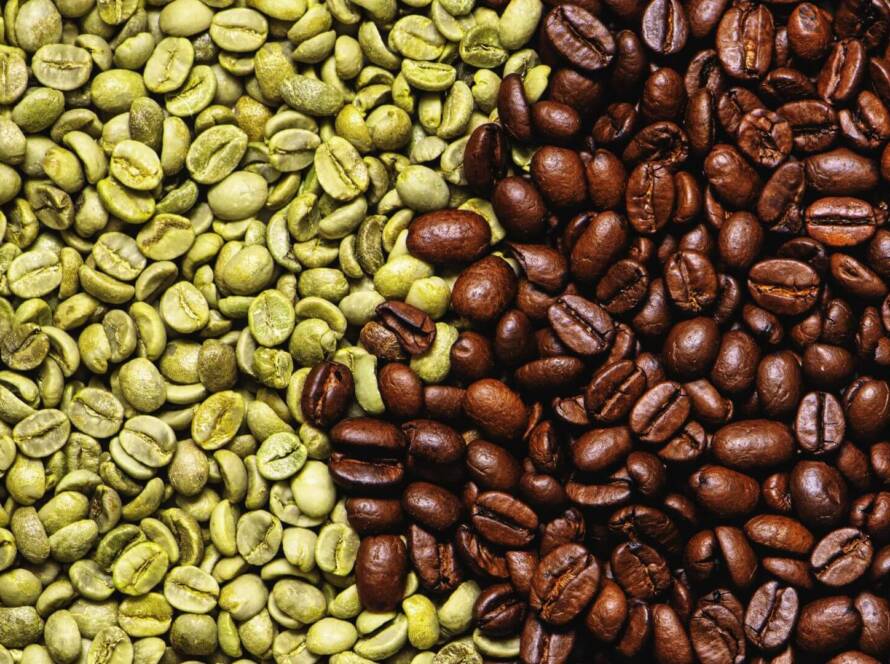
South Indian filter coffee uses a carefully chosen blend of Arabica and Robusta beans. Arabica adds smoothness and a mild acidity, while Robusta adds body and a stronger caffeine kick. Together they create a cup that is bold yet balanced — strong enough to wake you up, smooth enough to savour slowly. Many traditional blends also add a little chicory, which deepens the colour and adds a gentle bitterness.
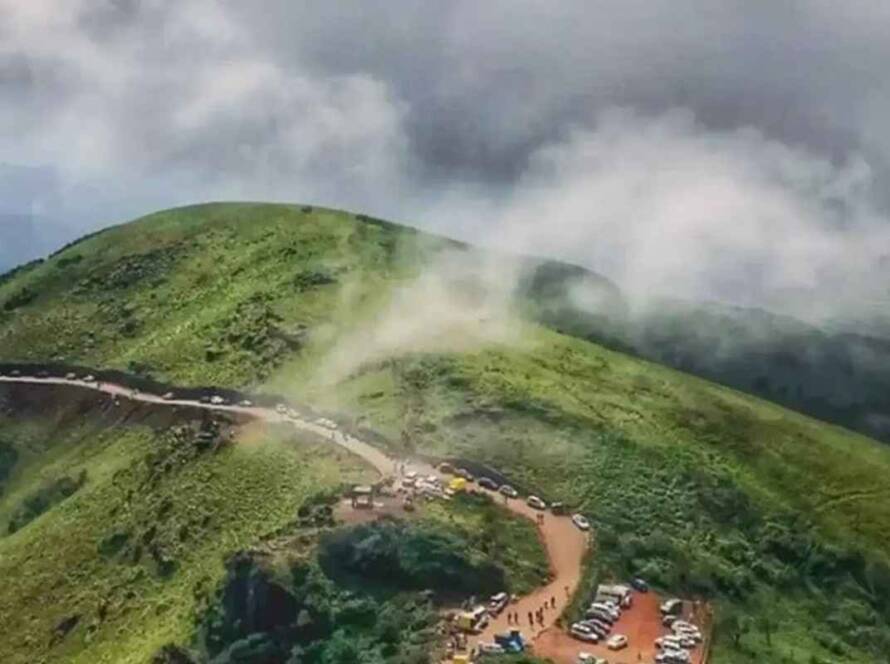
At Growers Coffee House, we grow both Arabica and Robusta on our estate in the Western Ghats near Belur. Every cup starts with beans we planted, harvested and roasted ourselves — no middlemen, and no compromise on freshness.
Where Did Filter Coffee Come From?
Coffee first came to South India centuries ago, and over time the region developed its own distinctive way of brewing it. Filter coffee is most popular across the southern states — Karnataka, Tamil Nadu, Kerala and Andhra Pradesh — where it is woven into daily life, from home kitchens to railway platforms and classic coffee houses. Cities like Chennai, Bengaluru and Mysuru are especially well known for their filter coffee culture.
Why Filter Coffee Is Going Global
In recent years, coffee lovers worldwide have turned toward traditional and artisanal brewing methods, and South Indian filter coffee fits this trend perfectly. It offers authenticity, craftsmanship, and a flavour that mass-produced coffee simply cannot replicate.
As specialty coffee culture grows globally, more people are seeking out single-origin and estate coffees. South Indian filter coffee — especially from estates like ours in the Western Ghats — sits right at the intersection of tradition and quality.
More Than Just Coffee
Filter coffee also represents hospitality and community. Across South India, offering a cup of filter coffee is a gesture of warmth and welcome. This cultural connection gives the drink a charm that goes far beyond taste. As more people explore global coffee traditions, South Indian filter coffee continues to win admirers worldwide — one frothy cup at a time.
How to Make South Indian Filter Coffee at Home
You do not need to visit South India to enjoy authentic filter coffee. All you need is a traditional metal filter and freshly roasted estate coffee powder.
Add two to three tablespoons of coffee powder to the top chamber of the filter, press it down gently, and pour in hot (not boiling) water. Let it drip slowly for 10 to 15 minutes to collect a strong decoction. Pour the hot milk and sugar into a tumbler, add the decoction, and froth it by pouring between the tumbler and davara. Adjust the ratio to taste.
Shop our estate-grown filter coffee powder — grown and roasted on our Western Ghats farm near Belur, Karnataka.
Frequently Asked Questions About South Indian Filter Coffee
What is South Indian filter coffee?
It is a strong, milky coffee made by dripping hot water through finely ground roasted coffee in a metal filter to make a decoction, which is then mixed with hot milk and sugar and frothed between a tumbler and davara.
Which region of India is filter coffee most popular in?
Filter coffee is most popular in South India — especially Karnataka, Tamil Nadu, Kerala and Andhra Pradesh. Cities such as Chennai, Bengaluru and Mysuru are well known for their filter coffee culture.
What beans are used in South Indian filter coffee?
A blend of Arabica and Robusta beans, often with a little chicory. Arabica brings smoothness and aroma, while Robusta adds body and strength.
How is filter coffee different from instant coffee?
Filter coffee is freshly brewed from ground roasted beans, giving it a deeper flavour and frothy texture. Instant coffee is pre-processed granules dissolved in water and lacks the same depth and aroma.
Where did filter coffee originate?
Coffee reached South India centuries ago, and the region developed its own slow-drip metal-filter method over time. Today it is a defining part of South Indian food and hospitality culture.