

Black pepper is the most widely used spice in the world. Cooks call it the “King of Spices” because it adds heat, depth and aroma to almost every cuisine. But how does black pepper travel from a farm in the Western Ghats to your kitchen? Here is the complete journey — from a climbing vine on our estate to the freshly packed peppercorns in your pantry.
Where Does Black Pepper Grow?
Black pepper (Piper nigrum) grows as a climbing vine in warm, tropical climates. It thrives in regions with high humidity, heavy rainfall and rich, well-drained soil. India is one of the world’s leading producers of black pepper, and Karnataka is one of the most important growing regions in the country.
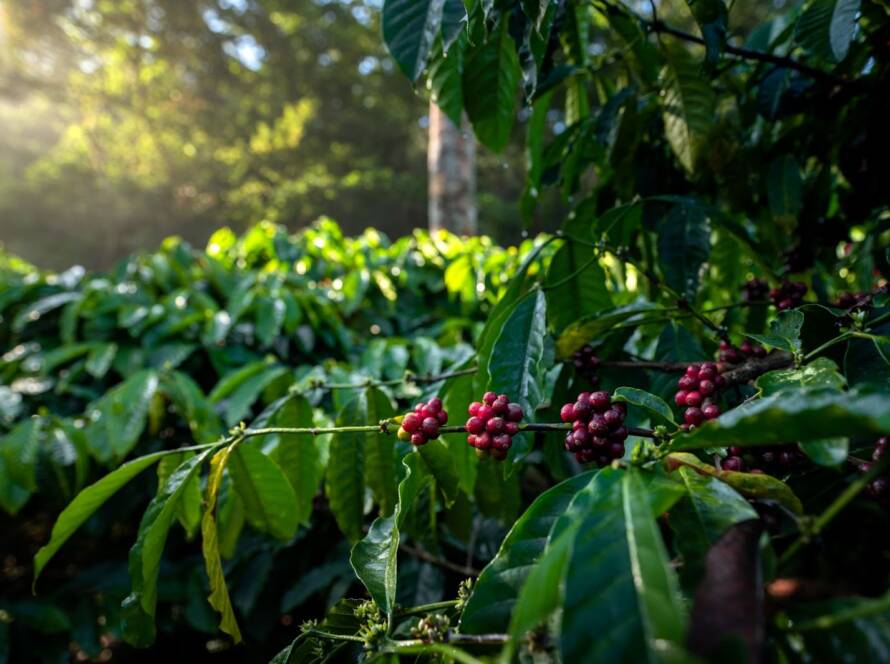
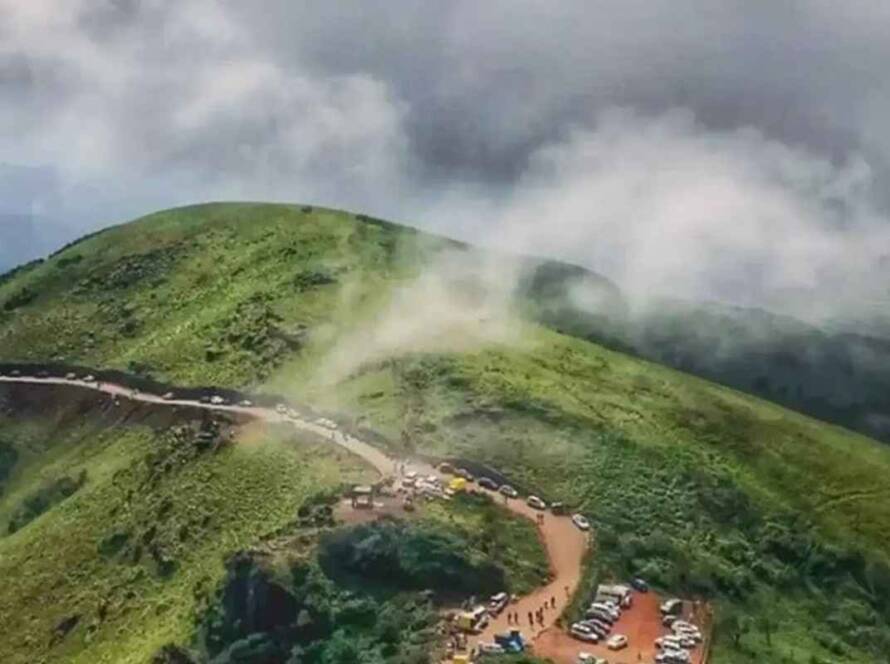
At Growers Coffee House, we grow black pepper on our estate in Cheekanahalli, near Belur in Karnataka’s Western Ghats. Our pepper vines climb alongside our coffee plants and cardamom, so they share the same shade, rainfall and mineral-rich soil that produces some of India’s finest coffee. This mix of crops is what gives estate-grown Western Ghats pepper its bold, aromatic character.
How Farmers Plant and Grow Black Pepper
Black pepper starts life as a cutting taken from a healthy, mature vine. Farmers plant these cuttings directly in the ground at the base of a support tree or pole. As the vine grows, it wraps around the support and climbs upward, sometimes reaching several metres in height.
On most estates, including ours, pepper vines grow naturally around shade trees alongside other crops. This keeps the soil cool, reduces the need for chemicals, and lets a single piece of land produce coffee, cardamom and pepper together.
How Long Does Black Pepper Take to Grow?
A new pepper vine takes about two to three years to mature before it produces its first proper harvest. After that, a healthy vine yields clusters of peppercorns every year — and it can keep producing for up to 20 years. Because the vines are so long-lived, the pepper you buy today may come from vines that were planted decades ago and tended through many seasons.
When Is Black Pepper Harvested?
Harvesting black pepper takes careful timing and skill. Farmers pick the peppercorns when the berries are fully developed but still green and unripe. Harvest too early and the pepper lacks flavour; wait too long and the berries turn red, losing their sharp, characteristic pungency.
In our region the main harvest falls in the cooler, drier months, roughly between December and March. On our estate we hand-pick each cluster individually rather than stripping the vine, so only mature, even-sized berries are collected. This is slower, but it is the surest way to keep quality high.
From Green Berry to Black Pepper
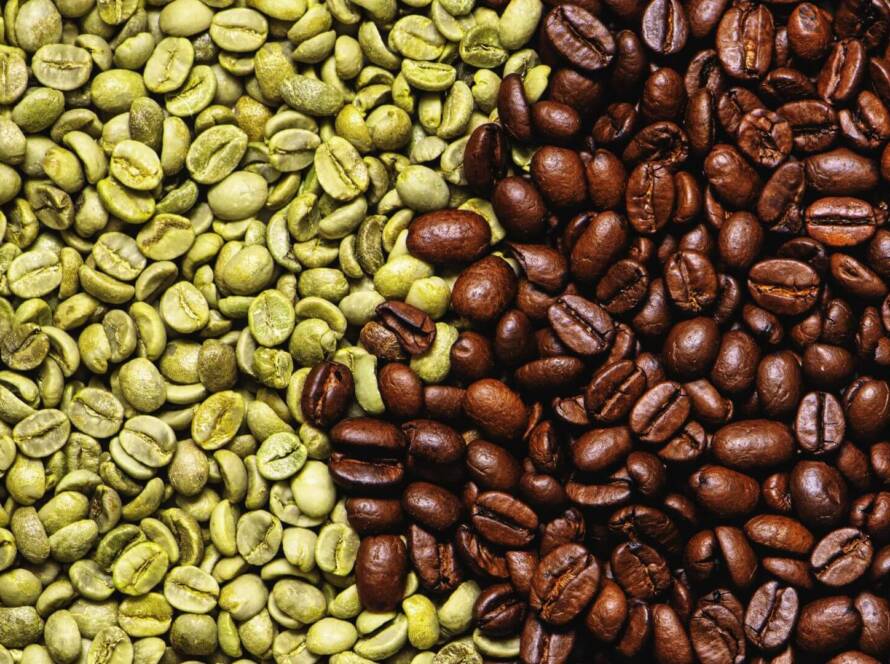
The familiar black peppercorn is made, not picked. After harvesting, farmers briefly boil the green berries in hot water. This cleans them and starts breaking down the outer skin, which helps them dry evenly and darken.
The berries are then spread out under the sun for several days to dry. As they lose moisture they shrink, wrinkle and gradually turn from green to deep black. Sun-drying also concentrates the natural oils inside each corn — and those oils are exactly what give black pepper its heat and aroma.
Sorting, Grading and Packing
Once dried, the peppercorns are sorted and graded by size, weight and quality. Only the best, fullest corns pass grading and move on to packing; lighter or broken ones are set aside. This step keeps every batch consistent in flavour and appearance.
At Growers Coffee House we sort and pack our black pepper fresh on the estate. That means when it reaches you it still carries the full aroma and heat of freshly processed Western Ghats pepper — not pepper that sat in a warehouse for months losing its strength.
From Our Farm to Your Kitchen
Understanding how black pepper is grown, harvested and processed gives you a deeper appreciation for this everyday spice. Every pinch represents two to three years of growth, careful hand-harvesting, and days of sun-drying and sorting.
You can taste that difference for yourself. Shop our estate-grown black pepper — grown, harvested and packed fresh on our farm near Belur, Karnataka. If you love bold flavour, pair it with our estate coffee powder from the same Western Ghats soil.
Frequently Asked Questions About Black Pepper
How is black pepper grown?
Black pepper grows on a climbing vine planted from cuttings. The vine climbs a support tree, matures over two to three years, and then produces clusters of green peppercorns each year. The green berries are boiled, sun-dried until they turn black, and then sorted and packed.
How long does it take to grow black pepper?
A pepper vine takes about two to three years to mature and bear its first full harvest. Once established, it can keep producing peppercorns every year for up to 20 years.
When is black pepper harvested?
Black pepper is harvested when the berries are mature but still green, usually during the cooler, drier months (around December to March in the Western Ghats). Picking at this stage gives the strongest flavour and aroma.
How is black pepper processed?
After picking, the green berries are briefly boiled and then dried in the sun for several days. As they dry they wrinkle and turn black, becoming the black peppercorns used in kitchens around the world.
Where is black pepper grown in India?
India grows black pepper mainly in the Western Ghats across Karnataka, Kerala and Tamil Nadu. Our own pepper is grown in Cheekanahalli, near Belur in Karnataka.