

Every great cup of coffee starts with the beans. Arabica and Robusta are the two most important coffee varieties in the world, and almost every coffee you have ever tasted is one, the other, or a blend of the two. Understanding the difference between Arabica and Robusta helps you choose the right coffee for your taste — whether you want a smooth, aromatic filter coffee or a strong, high-caffeine kick. Here is a clear, side-by-side guide from a farm that grows both.
What Is the Difference Between Arabica and Robusta Coffee?
Arabica (Coffea arabica) and Robusta (Coffea canephora) are two different species of coffee plant. In short, Arabica is smoother, sweeter and more aromatic, while Robusta is stronger, more bitter and roughly twice as high in caffeine. They grow in different conditions, taste different, and even look different. Most of the difference comes down to where and how each plant grows.
What Makes Arabica Coffee Special?
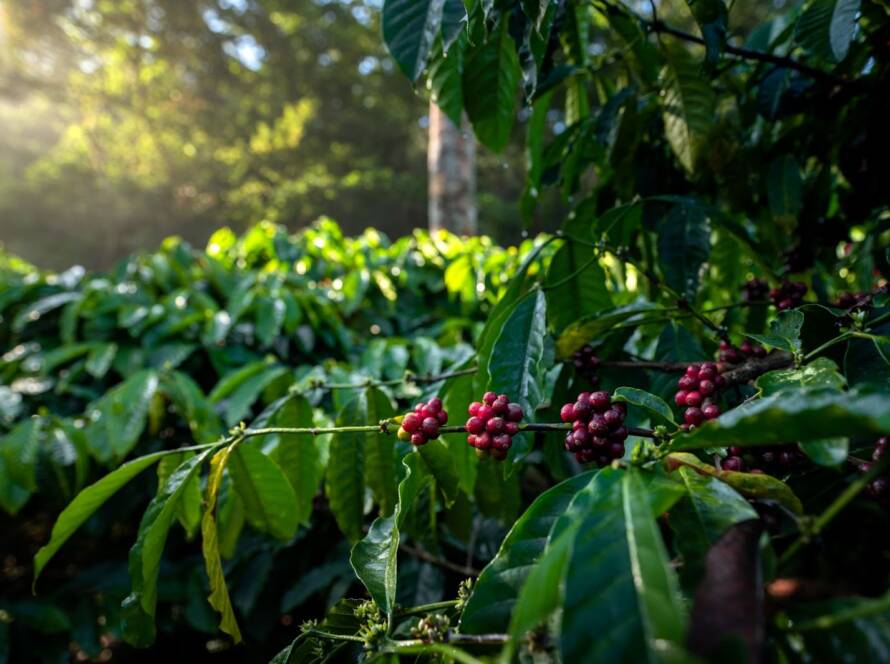
Arabica beans are the premium choice for most coffee lovers and make up the majority of the world’s specialty coffee. Farmers grow Arabica at higher altitudes, where cooler temperatures slow down the ripening of the cherries. This slow growth is what builds complexity, sweetness and depth inside the bean.
The result is a smooth, slightly sweet cup with mild, pleasant acidity and a clean aroma. Arabica works beautifully in specialty coffees and South Indian filter blends. If you enjoy a refined, balanced taste, Arabica is your bean. At Growers Coffee House, we grow pure Arabica on our estate in the Western Ghats, and you can taste that high-grown character in every cup.
What Makes Robusta Coffee Different?
Robusta beans deliver a stronger, bolder and more bitter flavour. They carry almost double the caffeine of Arabica, which makes the cup more stimulating and gives it a heavier body. That extra caffeine is also a natural defence for the plant, which is part of why Robusta is so hardy.
Robusta plants are tough. They grow well at lower altitudes, tolerate heat, and resist pests and disease far better than Arabica. This makes them easier and more reliable to cultivate at scale. Most instant coffees and many espresso blends use Robusta for its strength, its punchy caffeine and the thick crema it produces.
How Do Arabica and Robusta Beans Look Different?
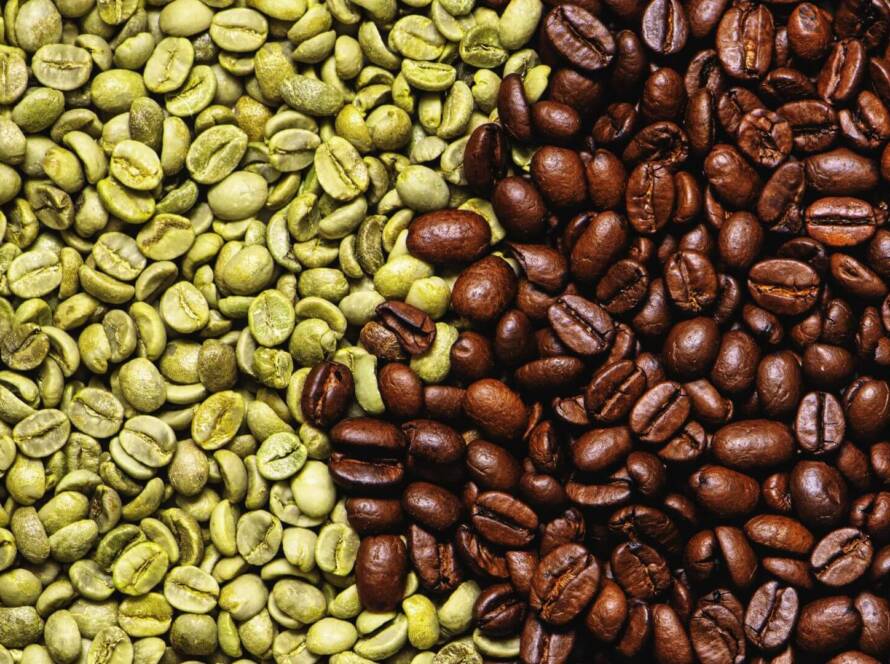
You can actually tell the two beans apart by eye. Arabica beans are larger and oval-shaped with a curved, S-shaped crease down the middle. Robusta beans are smaller and rounder with a straight crease. Once you know what to look for, spotting the difference becomes easy — and it is one quick way to judge what is inside a blend.
Why Do Roasters Blend Arabica and Robusta?
Many coffee producers blend Arabica and Robusta to get the best of both worlds. The blend marries the smoothness and aroma of Arabica with the strength, body and crema of Robusta. The exact ratio shapes the cup: more Arabica makes it smoother and more aromatic, while more Robusta makes it bolder and stronger.
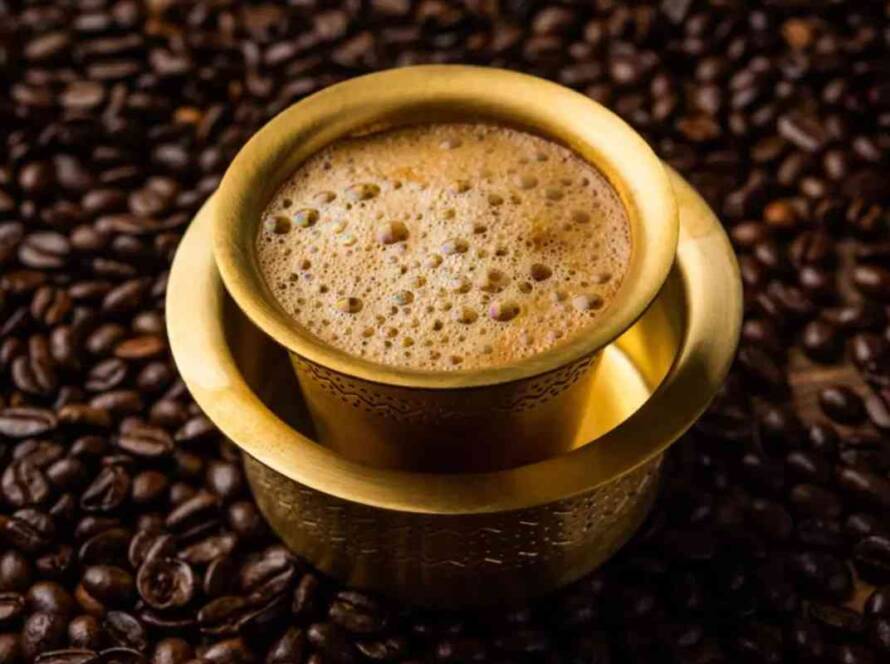
Our signature 90:10 blend does exactly this — 90% Arabica for a smooth, aromatic base, with 10% Robusta for the bold kick and thick froth that make a proper South Indian filter coffee. It is strong enough to stand up to milk and sugar, yet smooth enough to drink every day.
Arabica vs Robusta: Which Should You Choose?
Your choice depends on your taste. If you prefer a mild, aromatic, slightly sweet cup, pure Arabica is perfect for you. If you want a strong, punchy, high-caffeine brew, a Robusta-heavy blend will suit you better. And if you want balance, our 90:10 blend is the ideal middle ground — bold enough for a classic filter coffee, yet smooth enough for daily drinking.
Why Buy Your Coffee from Growers Coffee House?
We grow both Arabica and Robusta on our estate in Cheekanahalli, near Belur in Karnataka’s Western Ghats — the same region that gives Chikmagalur coffee its reputation. When you buy from us, you get beans that we planted, harvested and roasted ourselves: fresh, pure and direct from the grower, with no middlemen in between.
Shop our estate coffee powder range — from pure Arabica to our signature 90:10 filter blend — and find your perfect cup. New to filter coffee? Read our guide on filter coffee vs instant coffee.
Frequently Asked Questions About Arabica and Robusta
Is Arabica or Robusta coffee better?
Neither is simply “better” — they suit different tastes. Arabica is smoother, sweeter and more aromatic, which most people prefer for filter coffee and specialty drinks. Robusta is stronger, more bitter and higher in caffeine, which suits people who want a powerful brew. A blend like our 90:10 gives you the best of both.
Which coffee has more caffeine, Arabica or Robusta?
Robusta has roughly double the caffeine of Arabica. That is why Robusta tastes more bitter and is often used in instant coffee and espresso blends for an extra kick.
Why is Arabica coffee more expensive than Robusta?
Arabica grows at higher altitudes, ripens slowly, and is more delicate and harder to farm, which raises its cost. In return it delivers a smoother, more complex and more aromatic cup, which is why it commands a premium.
What is a 90:10 coffee blend?
A 90:10 blend is 90% Arabica and 10% Robusta. The Arabica provides smoothness and aroma, while the small amount of Robusta adds body, a caffeine kick and the thick froth that defines a good South Indian filter coffee.
Does Growers Coffee House grow its own Arabica and Robusta?
Yes. We grow both Arabica and Robusta on our estate in the Western Ghats near Belur, and we roast and pack on the farm, so the coffee reaches you fresh and direct from the grower.